Creating Your REAL Self Reflection - Education Application - Liberation
Empowering You to Transcend Materialistic Limitations and Live and Share Blissfully
Welcome to The Get Real Club!
This open-source initiative aims to connect thoughtful individuals in enhancing both personal and collective consciousness. Through our website, we inspire embracing life fully, shifting focus from the 'next life' to the present moment. Please share your email preferences in the 'Contact' section, indicating whether you'd like to opt-out or specify a preferred communication frequency. Together, we can build trust and support as we navigate the complexities of our shared human experience, fostering peace and prosperity for our planet. Join us in this journey toward greater awareness and connection!
Our Transformative REAL Methodology
-

Profound Self-Reflection Techniques
Revealing your authentic nature through structured processes.
-
Comprehensive Educational Framework
Integrating diverse philosophical traditions for development.
-

Practical Application Methods
Offering concrete strategies for meaningful transformation.

Our Philosophical Integration Approach
Yourselfology is more than a philosophy. It’s a way of living.
We are here to help you think independently, reconnect with your authentic self, and embrace the four pillars of transformation: Reflection, Education, Application, and Liberation (R.E.A.L). Through mindful insights, shared bliss, and practical self-discovery, together we can explore methods to create genuine joy and happiness that radiates beyond material boundaries.
Where to begin? In the Western philosophical tradition, often defined as the love of wisdom, we encounter Socrates and his profound aphorism: "The unexamined life is not worth living." Philosophy typically begins with essential questions: Who am I? Why am I here? What is the purpose of life? In contrast, theology often begins with definitive answers, asserting, "This is Theos, or God; this is your purpose and identity." Essentially, philosophy invites conversation, while theology leans toward dictation. Philosophers seek truth, while theologians assert that they have found it. Philosophers focus on this life, while theologians emphasize the afterlife. Theology tends to be one-dimensional or authoritative, while philosophy tends to be multi-dimensional and open minded.
By adopting the Socratic method—a process of inquiry—we embark on a journey from darkness in search of light, engaging in a life of reflection and examination. This practice must occur daily, or even moment-to-moment, as we navigate a world perpetually in flux, never certain of what tomorrow holds. To engage in this inquiry, we must first acknowledge our nature as transcendent beings. Humans possess the unique capacity to use our intellect to influence our destiny—within reason. While animals and other forms of life exhibit certain types of intelligence, they do not approach the human ability to shape or damage their environment. Even those species closest to us are often preoccupied with the essentials: eating, sleeping, reproduction and self-defense, lacking the capacity to evolve their circumstances. As the ancient Greek sophist Protagoras noted, "Man is the measure of all things," suggesting that humanity is either blessed or burdened with a formidable role on this planet.
However, it is crucial to understand that the Socratic method is fundamentally dialectical, revolving around the exchange of ideas through conversation or debate. Sadly, in recent times, our societies have become increasingly polarized, leading to a decline in meaningful dialogue on critical issues. Today, there are around 55 armed conflicts raging across the globe, underscoring a state of affairs characterized more by relentless violence than by diplomacy. Humanity faces the stark alternative of creation—building and nurturing—or destruction—exploitation and devastation. It’s a sobering reality that demands our attention.
Rene Descartes famously proclaimed, "Cogito, ergo sum" (I think, therefore I am). A more extended version reflects a deeper process of inquiry: "Dubito ergo cogito, cogito ergo sum" (I doubt, therefore I think; I think, therefore I exist). This approach, known as methodological skepticism, encourages us to scrutinize all claims of knowledge, seeking to distinguish truth from falsehood. It is from this foundation that our daily reflections begin, akin to a swan elegantly separating milk from water with its bill. In Sanskrit, the term 'paramahamsa' refers to those foremost beings who can discern truth from falsehood.
Interestingly, the sign for ‘okay’—formed by touching the thumb and index finger to create a circle while extending the other three fingers—ironically represents jnana mudra (the sign for knowledge) in ancient Indian culture. In this tradition, the thumb symbolizes the universe or Brahman, the index finger represents the individual or Atman, and the three extended fingers embody the three main states of consciousness: waking, dreaming, and deep sleep. Humans are blessed with the capacity to expand their knowledge by maintaining an open mind in the awakened state, exploring dreams, and recovering in deep sleep to emerge mentally and physically strong for a new day.
We initiate our process with reflection—the consciousness of awakening to start each new day. Personally, I have found that organizing my life around this simple system leads to some of my most valuable insights. By preparing the night before and addressing personal details, I free my mind to embrace the wealth of thoughts that emerge as I begin my day. While I cannot guarantee an "aha" moment or profound realization, this practice certainly offers more than merely viewing the day as "half empty" and proceeding mechanically through the motions of existence.
Rethinking Education: An Invitation to Dialogue and Cooperation
Education carries a dual meaning, rooted in two Latin terms: educare , which signifies shaping or molding an individual through training and external instruction, and educere , meaning to draw out or lead forth the innate potential, knowledge, or abilities within a person. Together, these origins illustrate that education is a process of both molding individuals and eliciting their unique capacities. The concept of autodidactism also deserves consideration; derived from the Greek for "teach" combined with "auto," meaning "self," an autodidact is essentially a self-taught individual.
In this pivotal moment in human progress, the tools and opportunities for individuals to expand their knowledge and skills have surged dramatically over the last 80 years. If we regard the first use of atomic weapons on August 6, 1945, as a defining line between Modernity and Post-modernity—a threshold from which humanity acquired the potential for self-destruction—we must reflect on the profound developments that followed. First, television emerged as a significant medium shaping public influence. Second, the Beat movement of the 1950s ignited social change, leading to anti-war movements, the hippie counterculture, rock and roll, various liberation efforts for racial and gender equality, and numerous colonial independence movements. Third, technological advancements, particularly in personal computing, opened access to a wealth of information beyond traditional print sources. Finally, the arrival of smartphones in 2007 fostered a global community, facilitating unprecedented sharing and communication.
What does this all signify? The masses—those beyond elite classes—now have platforms for association that can secure a voice in shaping our collective future. As the vast majority of humanity, it is our responsibility to rise above the divisive narratives and beliefs that separate us. Equipped with smartphones, we can explore and understand diverse perspectives, exposing ourselves to ideas that may complement, challenge, or interrogate our own.
We must revitalize the Art of Conversation—engaging in dialogue that embraces differing viewpoints. One may think, "I converse with others regularly," yet the true value of our communication skills is reflected in the advancement of global civilization. Meaningful discussions (thesis and antithesis / pro and con) unleash new ideas (the synthesis) that propel our progress. Conversely, when open dialogue falters, we risk the escalation of physical conflict and warfare. This dilemma resonates with the slogan from the Vietnam War protests: “Rich man’s war, poor man’s fight.”
Conflict is an inherent aspect of the dynamic organic world, emerging from interaction and change, whereas death is static and devoid of tension. Thus, while conflict may be inevitable, it is crucial for the masses to persuade the influential elites who largely shape our destinies to de-escalate tensions and halt the ravages of war.
Ultimately, the intrinsic value of our education lies in our ability to collaborate in fostering an environment conducive to peace and prosperity, rather than engaging in warfare that results in human suffering and destruction. The aim is not to overthrow the powerful, but to demonstrate that as Critical Thinking Cooperative Workers, we prefer to resolve our differences through dialog.
Embracing the Journey of Learning and Application
Now the true work, engagement and effort truly commence! You have awakened from the depths of dreaming and deep sleep. You’ve engaged in self-reflection—an internal dialogue—and immersed yourself in education through both external resources and introspective exploration. You’ve challenged your own thinking by considering diverse perspectives, pushing your understanding forward. Now is the time to apply your newfound insights and daily realizations, not only for your own growth but also for the well-being of everyone and everything you encounter.
Let us reflect on the perspective of Pyrrho of Elis (c. 360–c. 270 BCE) and the philosophical school of Pyrrhonism, or Skepticism. This viewpoint proposes that for every claim or assertion, opposing claims exist; hence, we should suspend judgment about the true nature of things. In the 17th century, René Descartes (1596-1650) built upon this idea. While not a strict skeptic, he introduced his method of doubt, which profoundly influenced modern philosophy and science. Additionally, Francis Bacon (1561-1626) published Novum Organum in 1620, proposing a new method of scientific inquiry aimed at advancing knowledge and enhancing human life.
As we transition from hierarchical systems of knowledge and control—often characterized by various religious narratives and abstract authorities—towards inductive and scientific methods grounded in experimentation and trial and error, we encounter William James (1842-1910). Although not the founder of pragmatism, he was its most vigorous advocate. Pragmatism emphasizes the practical consequences and real-world results of ideas as the criteria for their truth and value. Rather than indulging in the abstract, it champions action, problem-solving, and adaptability in tackling real-life challenges. James’s clear definition of pragmatism posits that truth is rooted in experience; what is true is what works and proves beneficial in our lives. Phrases like “if it ain’t broke, don’t fix it,” “get it done,” and “just do it” encapsulate this practical philosophy, emphasizing that effectiveness is paramount. As expressed in ancient Sanskrit, “phalena pariciyate” signifies that we evaluate something by its outcomes; one's success or failure becomes evident through the results of their actions.
We are striving to cultivate a flexible habit of reflection, education, and the application of our insights and newfound wisdom. William James, often considered a founding figure of the self-help, success-oriented, and motivational movements, emphasized the importance of developing meaningful habits. In Sanskrit, this concept is referred to as sadhana, which is defined as 'going straight to a goal.' Sadhana, or habits, are personal and involve any disciplined effort to harness your body, mind, and emotions as tools, rather than allowing them to govern you.
Applying our reflections and education profoundly shapes our daily experiences. Existence unfolds in the present moment, where we seek to uncover who we are and how to become the best versions of ourselves. Regardless of our daily pursuits, our ultimate goal is to embrace the extraordinary opportunity of being human—to cherish our freedom and capacity to feel, recognizing that we are continuously progressing along the path of self-worth.
The Essence of Liberty and Freedom are the natural inclinations of all living entities. Take, for example, the ladybird that lays an egg that develops into a chick. After nurturing her young, the chick grows and flies away. This ability to fly freely represents an extreme level of freedom, reflective of the very nature of life itself.
The Dilemma of Freedom
However, once the bird leaves the nest, it must struggle for its own existence, entering a phase of self-preservation as its dependence on its mother fades. This mirrors our own dilemma: the dream of liberty and freedom versus the reality of daily life, which involves maintaining ourselves, our environment, and supporting others.
A Collective Responsibility
This struggle is not only personal but also planetary, shared by over 8 billion individuals. Each of us has an inherent responsibility to learn how we can contribute to the advancement of civilization for our collective well being. Significant historical events, such as Hiroshima and Nagasaki in 1945, marked the onset of humanity's potential extermination. Fortunately, we have passed 80 years without such devastating incidents. Yet, with the Doomsday Clock now at 89 seconds to midnight, we must take our individual roles more seriously.
Getting R-E-A-L
This is where the concept of being R-E-A-L comes into play. We all seek a degree of liberty and freedom to exercise and develop our own abilities and become autonomous humans. To achieve this, we must qualify ourselves to participate in the survival of our species, much like studying the Driver's Manual and taking a driving test to obtain a license. While many have access to education from a young age, if that education leads to a population prone to military solutions instead of diplomatic ones, we are on the wrong path. As the saying goes: Make Love not War!
The Inner Dichotomy
This dichotomy exists within each of us. We recognize our physical needs—eating, sleeping, reproducing and defending—while also contemplating abstract issues like creation, existence, love, and pain. In Western thought, this is termed the body/mind duality; in Eastern cultures, it is referred to as Yin/Yang, epitomizing rationality and irrationality, light and dark.One way to navigate this tension is through the Ancient Indian concepts of Shanta (peace) and Rasa (relationship). The first step is recognizing the tension between our physical needs and our mental, social, and intellectual desires. This internal conflict resembles schizophrenia, defined as the coexistence of contradictory elements.Understanding this duality and recognizing the potential incompatibility between our body and mind is essential. Our foremost duty is to cultivate a peaceful (shanta) and productive relationship (rasa) within ourselves. How can we expect our societies to thrive if we cannot achieve harmony within our own body and mind?
The Quest for Liberation
Liberation is, indeed, the essence and ultimate goal of our existence. While we are born to be free, we face various constraints. Our initial focus should be on our physical health, followed by our mental health, and ultimately achieving inner balance.As inherently social beings, our integration within economic and social structures is crucial. This is where our determined efforts manifest as we strive to be complementary and productive members of society. This contribution does not necessarily mean having a traditional job or paycheck; rather, it involves finding ways to be an asset, alleviating any burden on society.Ultimately, this pursuit gives our lives meaning and purpose, driving us to become the best versions of ourselves!
Our Three Pillars of Philosophical Understanding
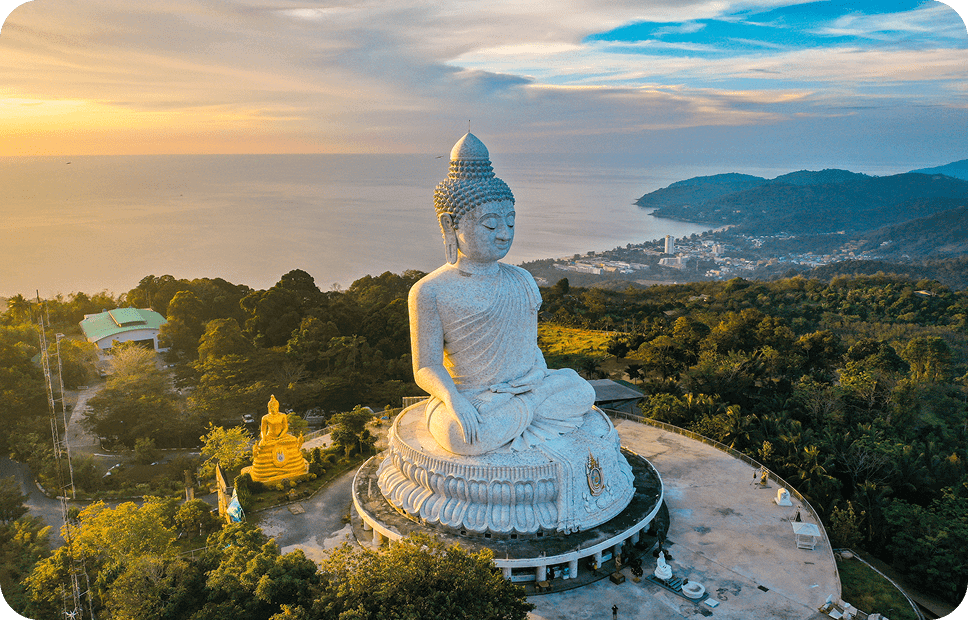
Classical philosophy posits that there is a reality beyond ordinary existence—an elevated realm that can be accessed through faith, contemplation, and spiritual practice. This enduring viewpoint provides a foundation in eternal principles and universal truths that have historically guided seekers.

Modern philosophy challenges traditional concepts, suggesting that divine authority need not occupy the center of human existence. This perspective emphasizes individual reasoning, scientific inquiry, and personal responsibility in creating meaning and purpose.
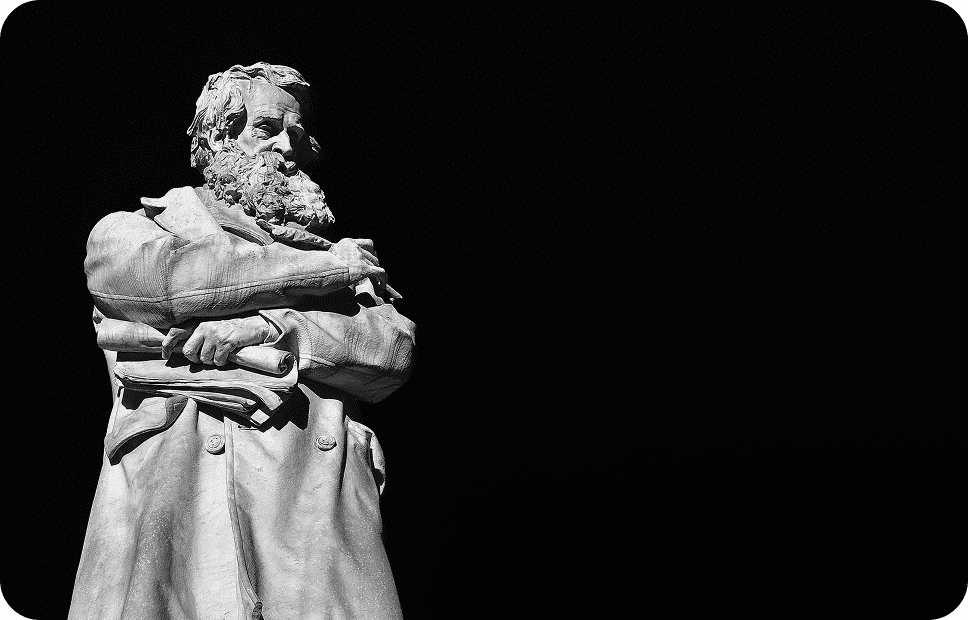
Postmodernity reflects our current reality, where we often find ourselves influenced by internet culture, corporate messaging, and digital connectivity. Understanding this contemporary context helps navigate modern challenges while maintaining authentic self-expression.
Begin Your Journey Here
Empower yourself to break free from material limits and embrace true fulfillment.